 by
by 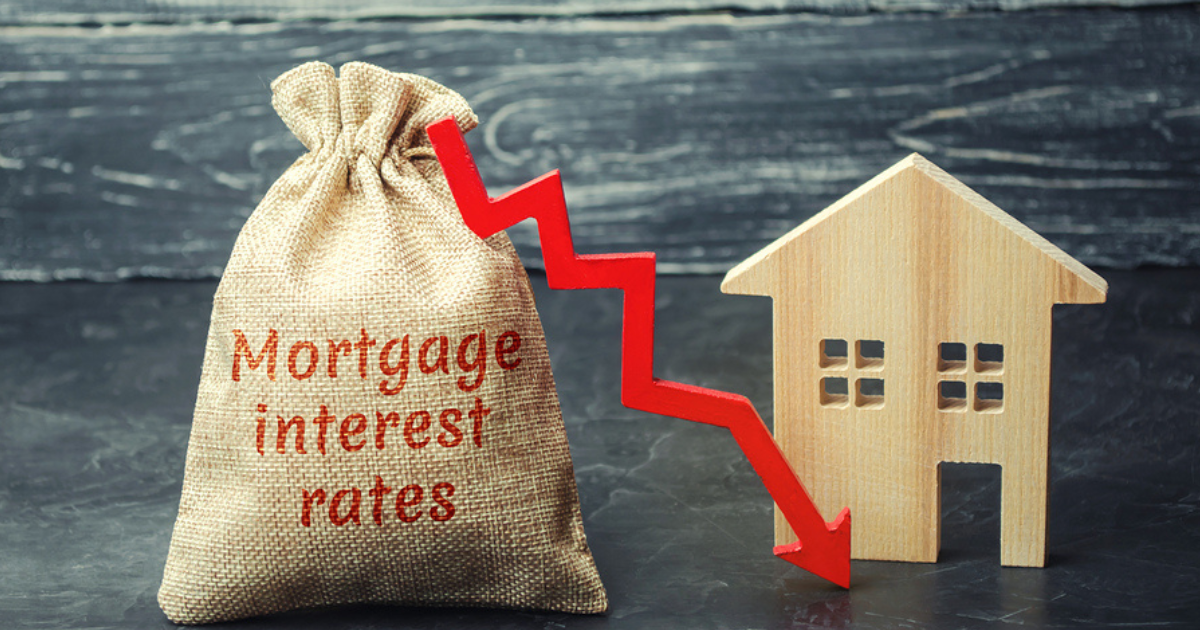
In December 2025, the Bank of Canada held its policy interest rate at 2.25%. As we approach the next announcement on January 28th, the consensus is that rates will likely remain flat or see a minor adjustment.
On paper, 2.25% is an attractive number. It is a massive drop from the highs of 2024. In a typical real estate cycle, a rate drop of this magnitude usually sparks immediate bidding wars and rising prices.
But look around the GTA market today. The “boom” hasn’t happened. The market remains quiet.
Why is there a disconnect between cheap money and buyer activity? Here is an analysis of the two main factors at play.
- The Concern Shifted: From “Rates” to “Jobs”
For the last two years, the biggest hurdle for buyers was the cost of borrowing. Today, that hurdle has been lowered, but a new psychological barrier has taken its place: Economic Confidence.
While mortgage payments are now more affordable, buyers are looking at the broader economy.
Soft Economy: The aggressive rate hikes of the past were designed to slow down the economy, and they worked—perhaps too well. We are now seeing the delayed effects of that slowdown.
Employment Anxiety: When headlines talk about rising unemployment rates or corporate restructuring, people hesitate to take on large debts.
Even if a buyer can qualify for a mortgage at 2.25%, they are asking themselves: “Is my income secure enough for the next 5 years?” until that answer is a confident “Yes,” low rates alone won’t trigger a rush.
- The Outlook: A Tale of Two Halves in 2026
So, where do we go from here? Most analysts agree that 2026 will likely be a year split into two distinct phases.
The First Half (Current Phase): Absorption and Stabilization We are currently in a “digestion” period. The market is absorbing the inventory from sellers who are renewing their mortgages. Prices and sales volume will likely remain flat as the economy finds its footing. The January 28th announcement will likely confirm that we are in a period of maintenance, not acceleration.
The Second Half: The Potential Rebound The forecast suggests a shift could happen in the second half of 2026. Historically, it takes 12 to 18 months for the full benefit of rate cuts to circulate through the economy. By late 2026, if inflation remains stable and businesses adjust to the lower cost of borrowing, consumer confidence typically begins to return.
Once the fear of job instability subsides, the pent-up demand—currently sitting on the sidelines—will likely meet the favorable 2.25% rate environment. That is the moment we expect transaction volumes to normalize and the market to find its new rhythm.
Summary
We are in a unique moment where affordability (rates) is good, but sentiment (confidence) is low. The market isn’t waiting for lower rates anymore; it is waiting for economic clarity.

Join The Discussion