 by
by 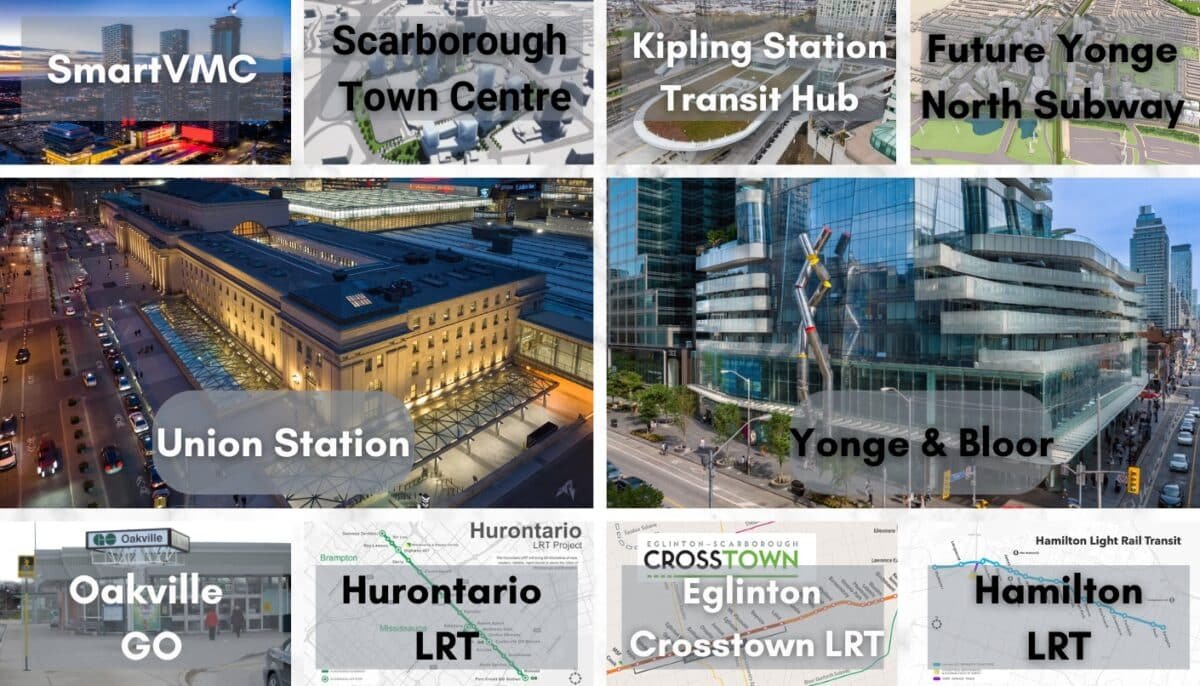
If you’ve been following the real estate headlines, you might have seen some noise about “Inclusionary Zoning” and a sudden policy shift from the Ford government. It sounds technical, but if you are looking to buy a home—or investing in the future of the GTA—this is actually a pivotal moment.
Here is the breakdown of what is happening, why it matters, and what it means for the market (and your wallet).
The News in Plain English
The Ontario government has officially moved to pause “Inclusionary Zoning” (IZ) requirements in Toronto, Mississauga, and Kitchener until July 2027.
What was the rule? Previously, the province allowed these cities to force developers to set aside about 5% of new units in projects near major transit stations (like subways or GO lines) as “affordable housing” for up to 25 years.
What is happening now? The government is hitting the brakes. They are arguing that in today’s economic climate—with high interest rates and soaring construction costs—these mandatory affordable units act like a “tax” that makes building new condos financially impossible. Their logic is simple: If the developer can’t make the math work, they don’t build anything at all.
The “Soft” Target Reality Check
This pause comes alongside a rare admission of vulnerability from the province. The Finance Minister recently described the goal of building 1.5 million homes by 2031 as a “soft” target.
For years, this was the “hard” number. Calling it “soft” is the government’s way of admitting that headwinds are stronger than expected. Housing starts have lagged, and they are now prioritizing volume over strict rules. They are removing red tape to get cranes back in the sky, even if it means sacrificing those guaranteed affordable units for the next three years.
The “So What?” for Buyers and Investors
As a buyer, you might be thinking, “Okay, but does this lower the price of a condo for me?”
Here is the professional take:
- It’s Not About Price Drops, It’s About Existence: Don’t expect developers to suddenly slash prices because this rule is gone. This pause is about viability. Many projects near transit hubs were on hold because the numbers didn’t make sense. This change unblocks the pipeline. We might finally see inventory launch that was previously stuck in limbo.
- Transit Hubs Remain King: The rules applied specifically to Major Transit Station Areas. The fact that the government is fighting so hard to stimulate construction here proves that transit-oriented real estate is still the most valuable asset class in Ontario.
- A Supply Warning: The admission that the 1.5 million target is “soft” is a signal to savvy buyers. It means supply shortages could persist longer than we thought. If we don’t build enough now, the competition for good homes in 2028 and beyond could get fierce.



Join The Discussion